The Second awareness campaign “You are Not Alone – Help is Near You''
2024-10-20T06:00:00Z
The awareness campaign “You are Not Alone – Help is Near You'' was launched on 20 th of October 2024 in Amman as a part of the three years campaign “No Silence, No Tolerance''for violence against women and girls (VAWG) carried out by EuroMed Feminist Initiative (EFI), Justice Centre for Legal Aid (JCLA), Children Villages SOS, Institute for Family Health (IFH), and the National Council of Family Affairs (NCFA), in the frame of the project ''Improving access to gender-sensitive prevention and protection services for vulnerable communities in Jordan'' funded by the European Union (EU) MADAD Trust Fund and implemented by the Spanish Agency for International Development Cooperation (AECID), with the collaboration of the United Nations Population Fund (UNFPA).
The awareness campaign “You Are Not Alone – Help is Near You'' aims to raise awareness on access to services for victims/survivors of violence against women and girls (VAWG). The content of the campaign is intended to link different forms of VAWG with the existing services provided by different actors in Jordan, where victims can turn for help. It also seeks to engage the local communities in raising awareness and spreading information about the existing services, thus contributing to improving access to them.
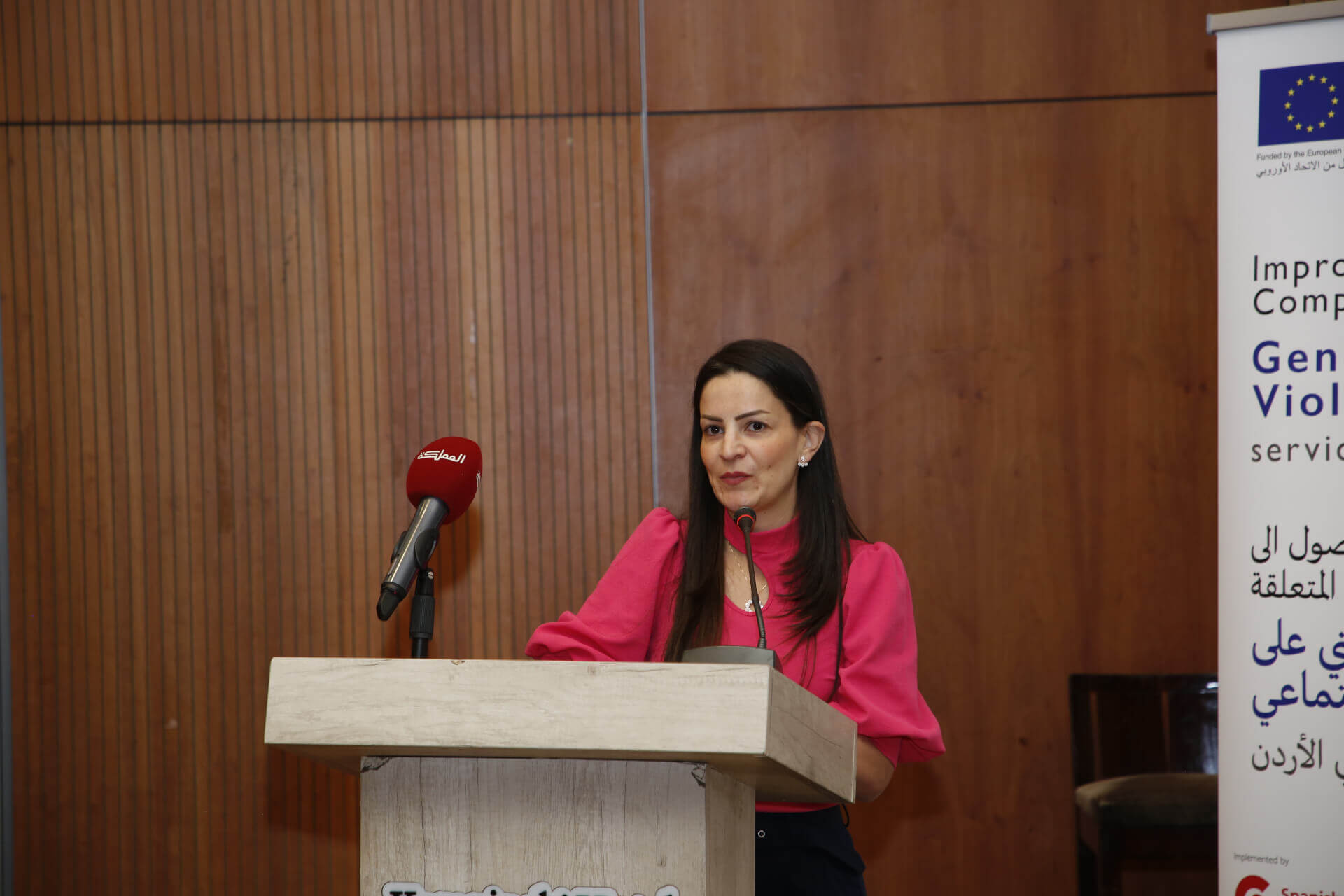
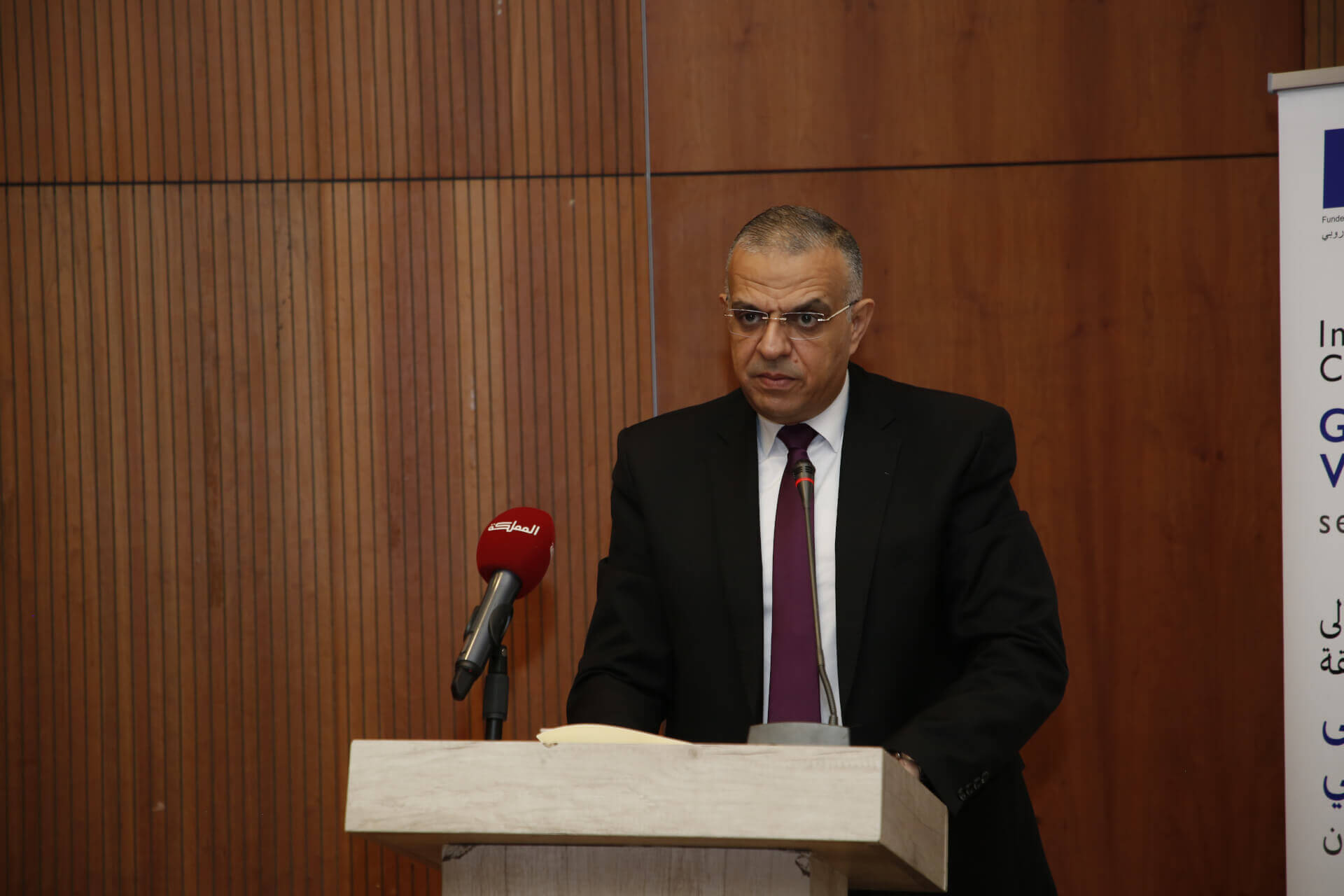
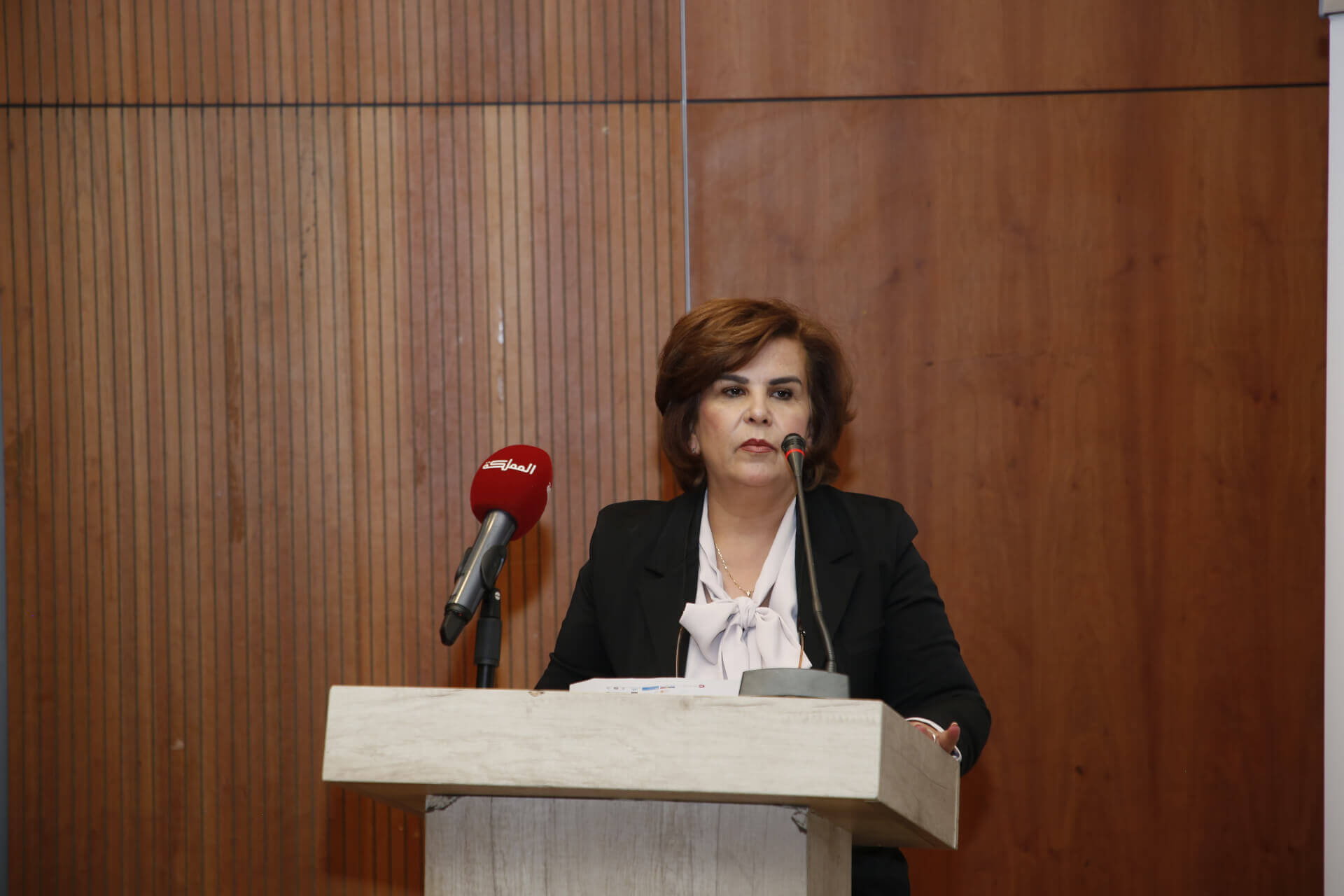
The launching conference was held under the patronage of H.E. Senator Dr. Maysoon Otoom, who in her opening remarks underlined the importance of the campaign for Jordan and in the regional context of overall escalation of violence. Raising awareness and spreading information about the existing services for victims of violence against women and girls (VAWG), contributes to improving access to them and to combating this type of violence. Senator Otoom stressed the importance of grassroots resistance in achieving justice, noting that laws protecting human rights have only emerged through the engagement of civil society. She urged continued efforts to uphold these laws and called for building a more humane society grounded in fairness.
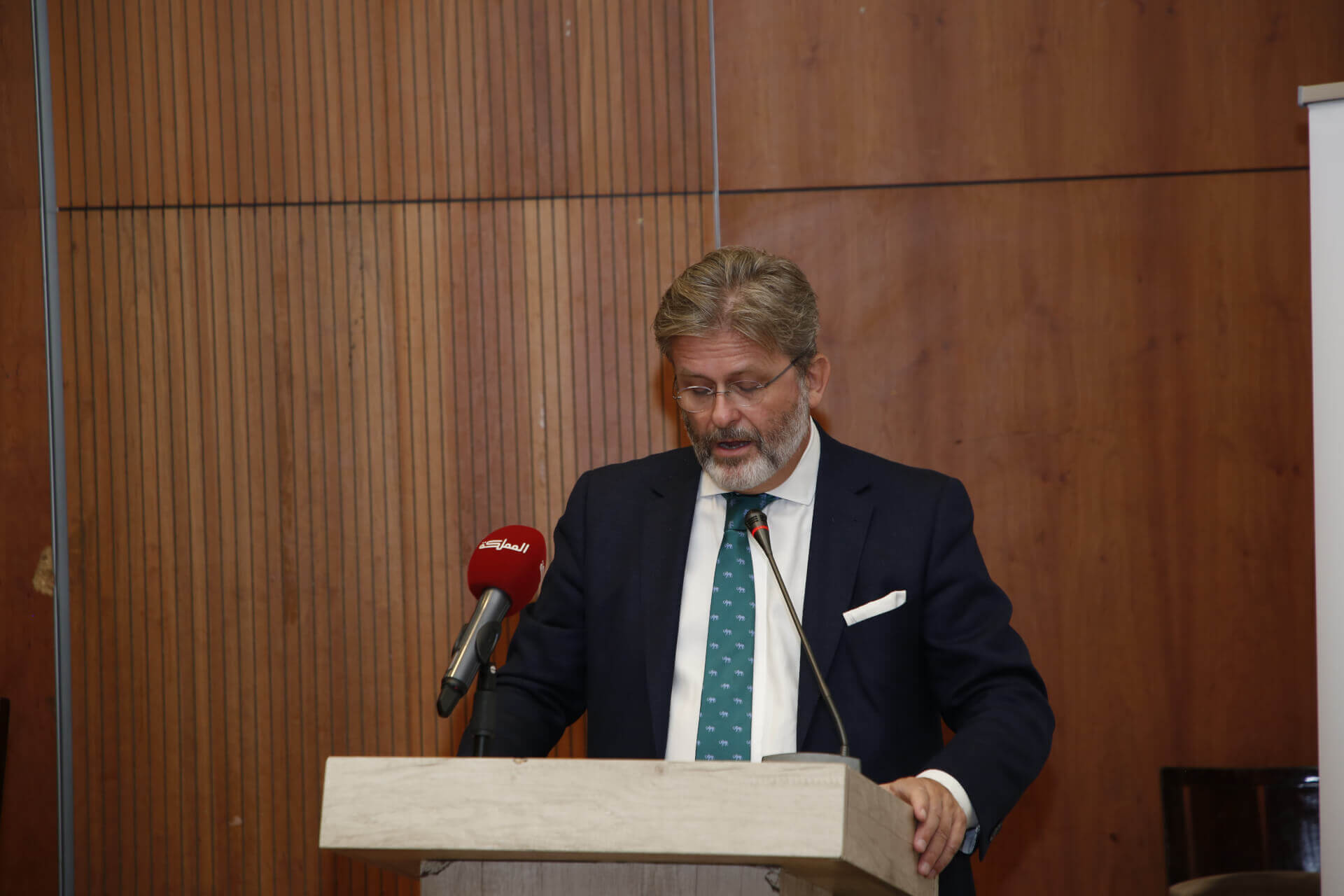
H.E. Miguel de Lucas González, Spanish Ambassador to Jordan, thanked in his speech the European Union (EU) for its important contribution to the fight against gender-based violence through its trust to the Spanish Cooperation. He highlighted the importance of addressing violence against women and girls (VAWG) focusing on raising awareness and information on the access to comprehensive services in Jordan, and the achievements of the project that have provided services for 4.579 women so far. He invited all to join and share this national awareness campaign and to be an ally in preventing VAWG, for greater investment in the provision of services for victims and survivors of gender- based violence”.
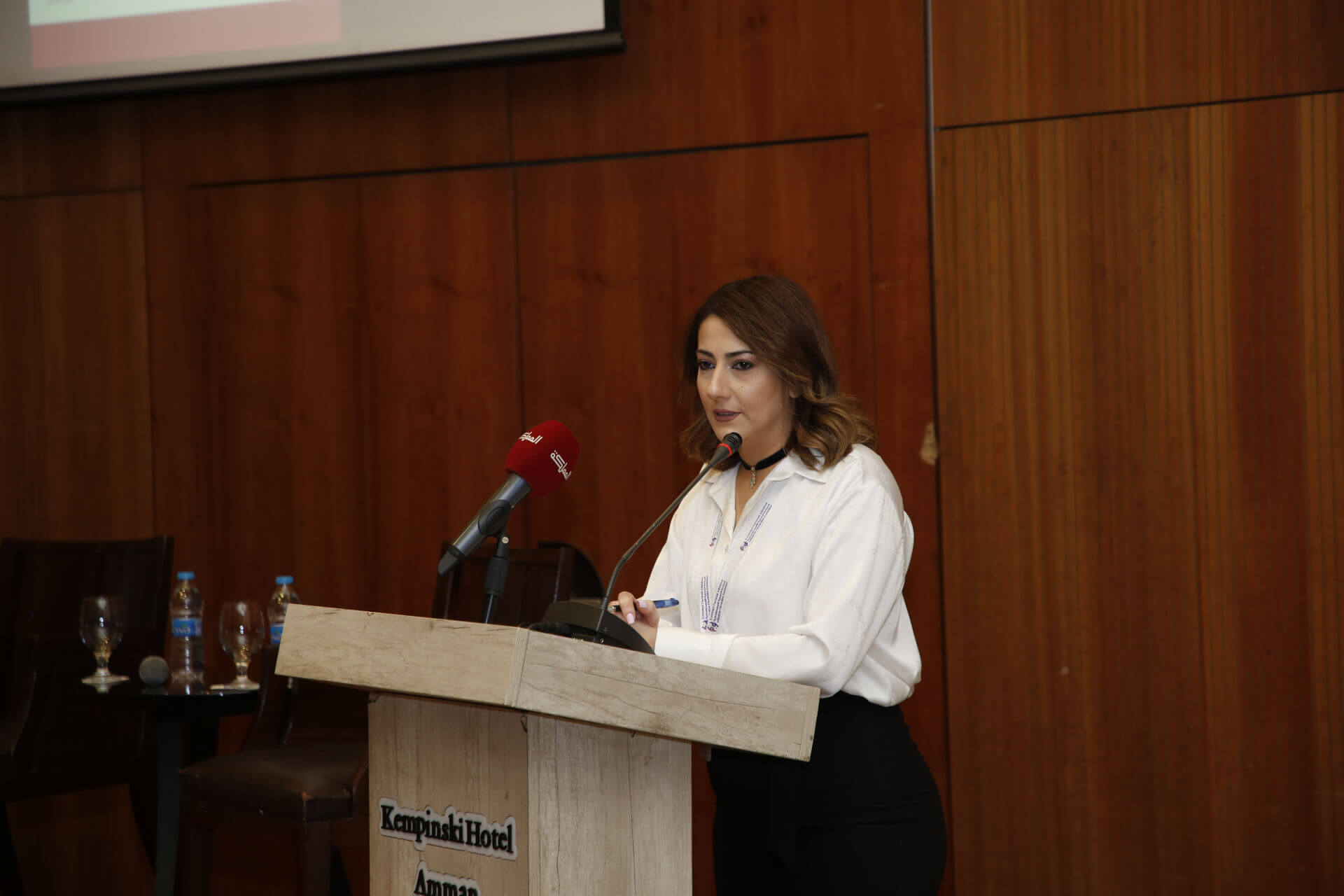
Ms. Amal AbuJeries, gender focal point at the EU Delegation to Jordan, emphasized that the second phase of the “No Silence, No Tolerance”, campaign intensifies the EU’s efforts to combat violence against women with a clear directive: report, resist, and receive the support you deserve as a woman. This project represents the EU’s unwavering commitment to ensure that all women and girls subjected to violence, whether physical or psychological, are aware that they have access to comprehensive support services available 24/7.
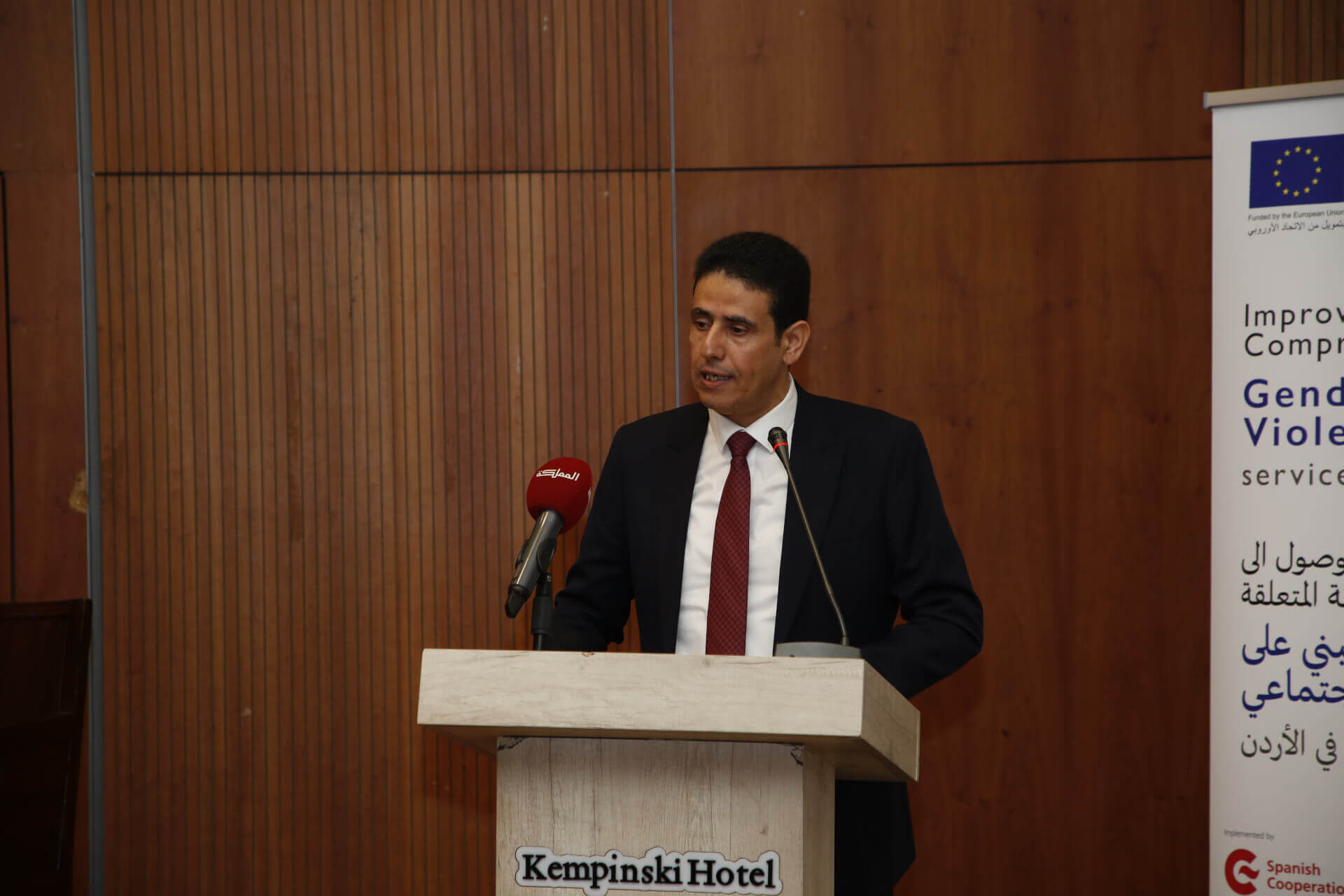
H.E. Mr. Barq Dmoor, Secretary General of Ministry of Social Development (MoSD) emphasized the need to support women and girls to overcome all the challenges that they face and help them integrate into the community.
MoSD works on increasing community awareness on how violence affects women first, but also the whole community and is proud to cooperate with the civil society organizations in combatting VAWG and ensuring access to services. This helps build a culture of refusing violence within the communities.
Mr. Himyar Abdulmoghni, the representative of UNFPA in Jordan underlined the importance of working together to bring this campaign messages farther to the communities. He stressed that it’s not only an awareness campaign, but also breaking the silence and connecting women with access to services. He also underlined the importance of prevention gender-based violence for women’s economic participation.
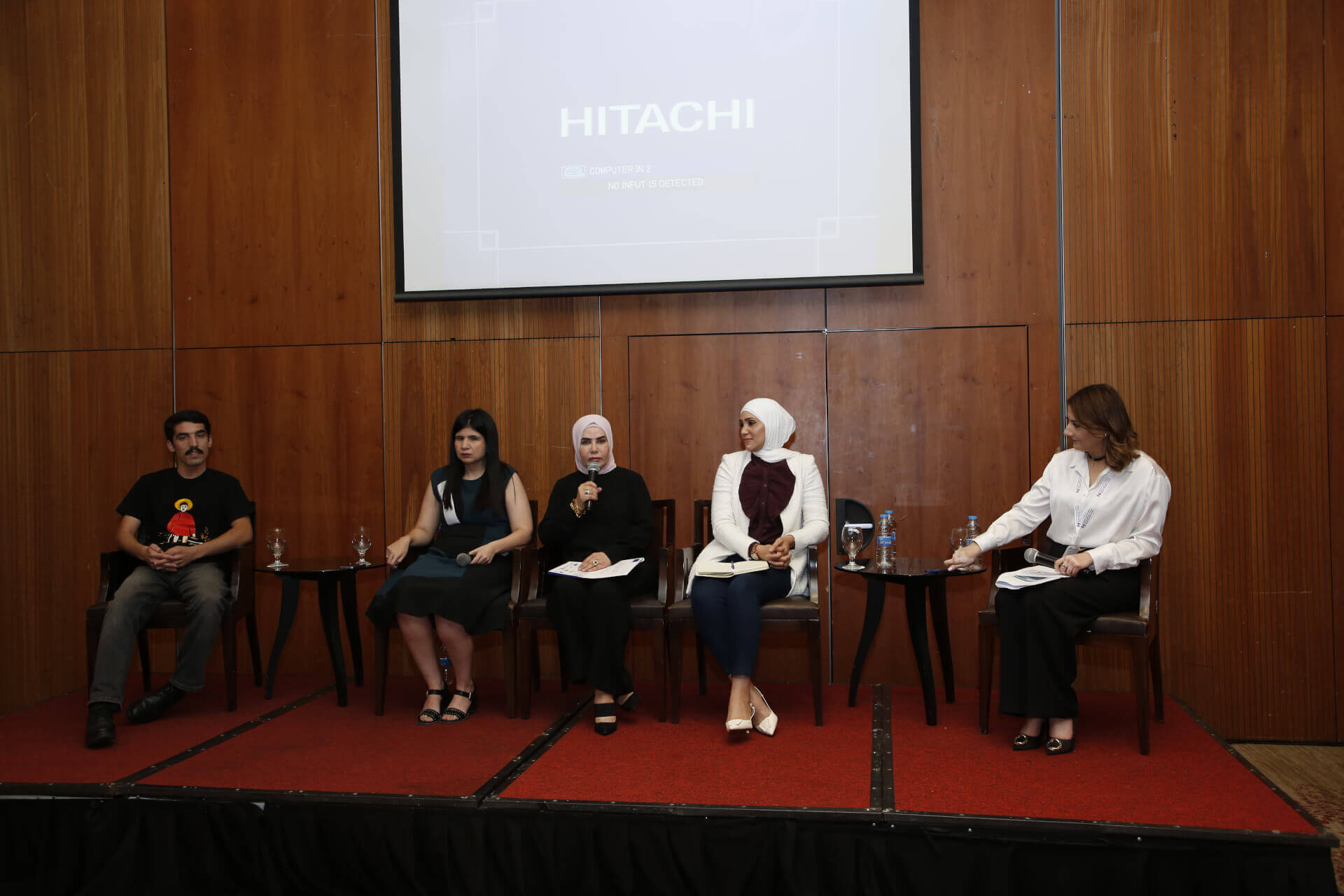
In the presentation of the campaign, influencers who have joined the campaign, elaborated how they engaged to amplify its reach and further engage a broader audience. Ms. Fairouz Jalamdeh, a prominent legal activist, Ms. Rawan Barakat, a well-known activist advocating for the rights of people with disabilities, Mr. Mohamad Al Ajarma, a renowned youth activist and Ms. Imtiaz Al Jetawi, a chef cook explained how they have been involved and will
continue their work in spreading the message across digital platforms and ensuring that vital information reaches more people, especially the younger generation. Influencers emphasized the importance of encouraging women and girls not to remain silent and to seek support despite fears of stigma or retaliation. They also highlighted the need for privacy and confidentiality to help survivors feel safe when coming forward. Additionally, the influencers discussed cultural and social barriers, emphasizing the role of families and communities in shaping attitudes toward violence.
During the panel discussion moderated by Ms. Hadeel Abdel Aziz, Executive Director of Justice Centre for Legal Aid (JCLA), representatives from the project partner organizations and MoSD shed light on the critical role of spreading
information and enhancing service provision to create a safer environment for victims of VAWG. Ms. Rana AlZoubi, National Director of Children Villages SOS, Mr. Imad Sheiba, Director or Protection and Juveniles Department at MoSD, Dr. Mohannad Mousa Faroun, Project Manager and Head of Training Section, Institute for Family Health (IFH) and Ms. Aya Hijazy, Legal Services Coordination and Unit Manager from JCLA, acknowledged that while progress has been made in developing protection systems, gaps still remain, particularly in post-care services, which are essential to breaking the cycle of violence. They highlighted the importance of building community networks, challenging harmful cultural norms, and improving access to legal and psychological support for survivors. It was noted that some
victims are unaware that they are experiencing abuse, underscoring the importance of raising awareness not only among survivors but also within communities. Spreading information was identified as a key step in creating a safer
environment and fostering public awareness, which in turn helps prevent violence and provides essential support for victims in rebuilding their lives with dignity. Panellists concluded with a call to action for continued collaboration among organizations, communities, and authorities to ensure that information on available services reaches those in need. They stressed that by working together and prioritizing public awareness, it is possible to create a safer, more supportive environment where survivors of violence can access the help they deserve and live free from fear.
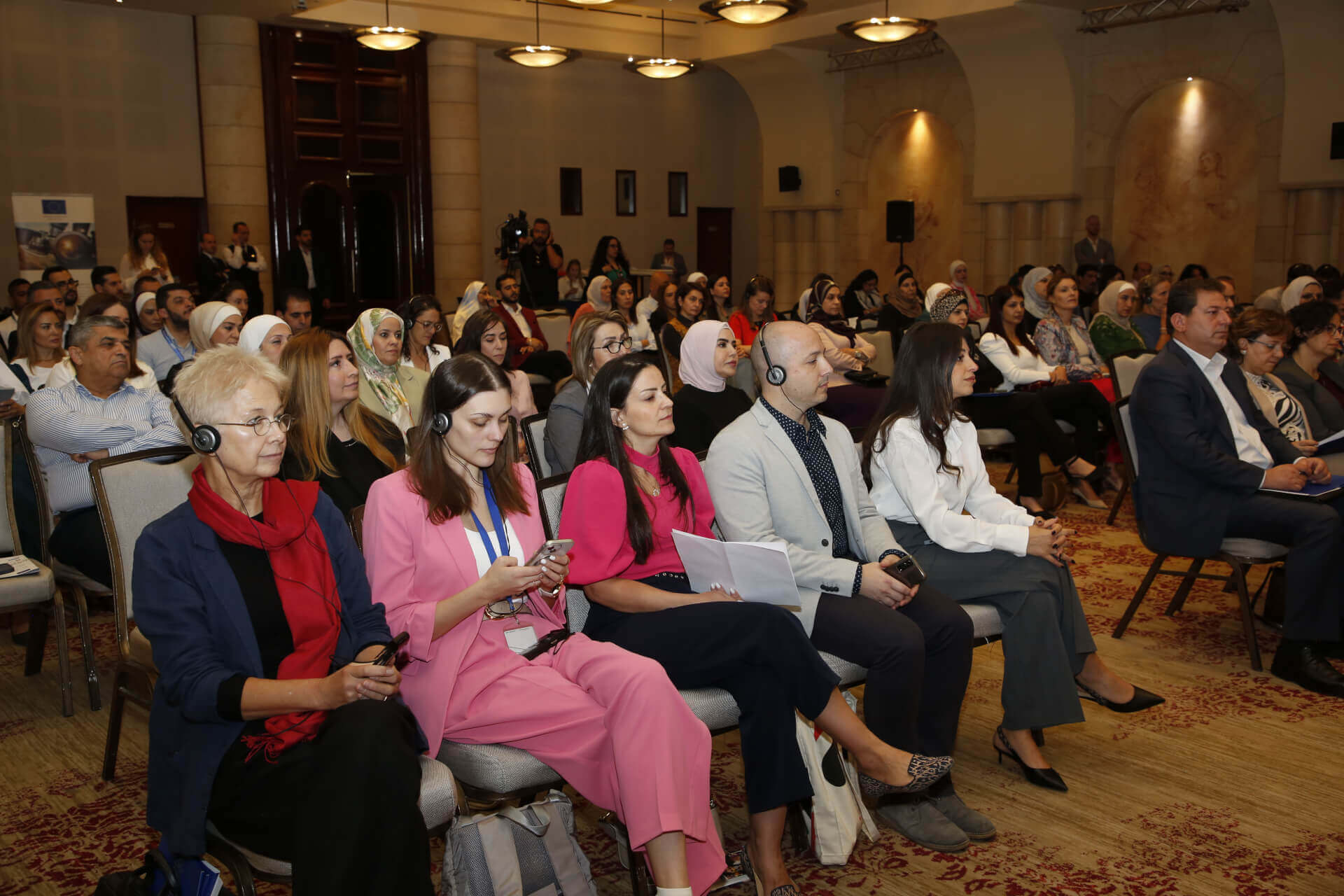
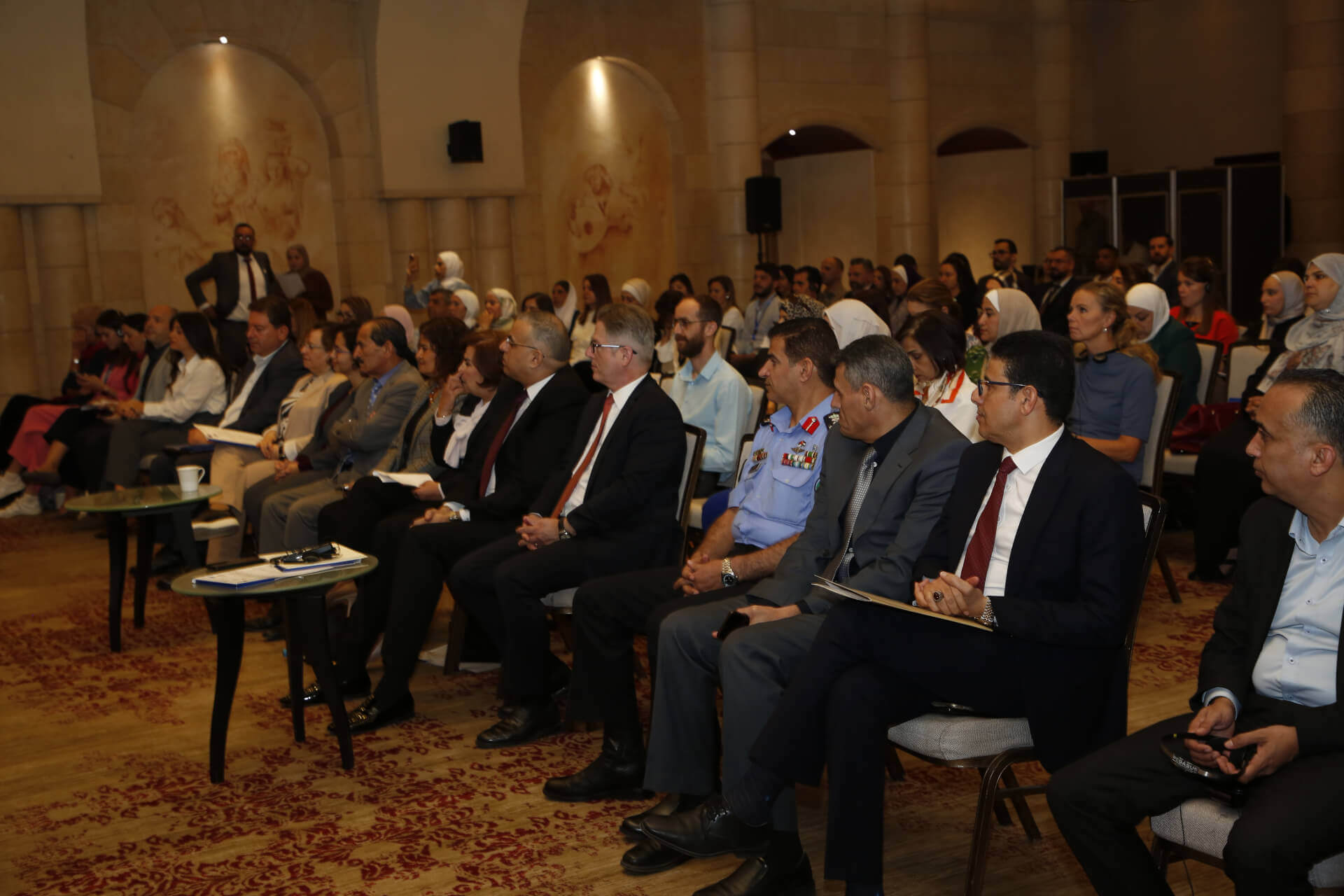
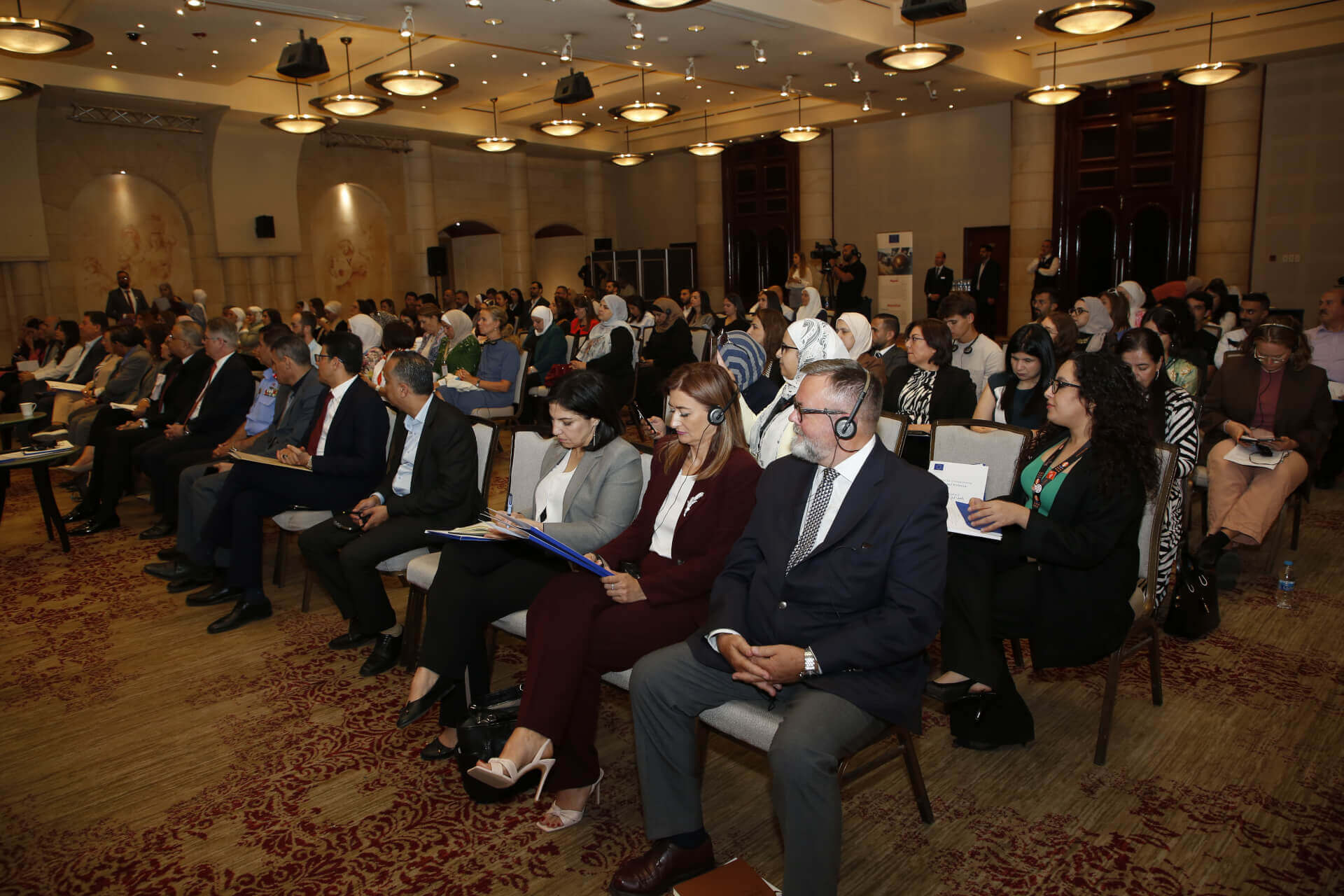
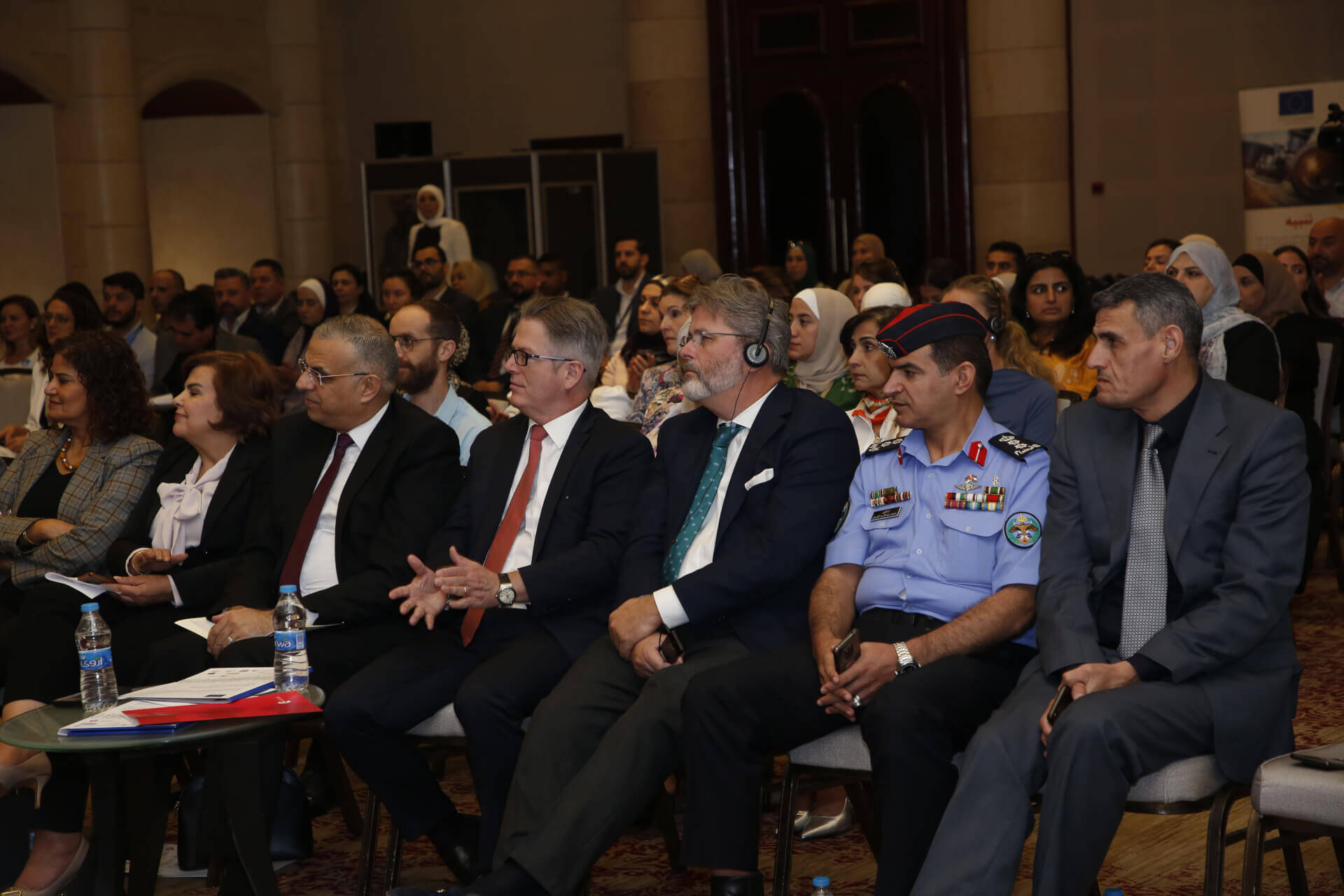
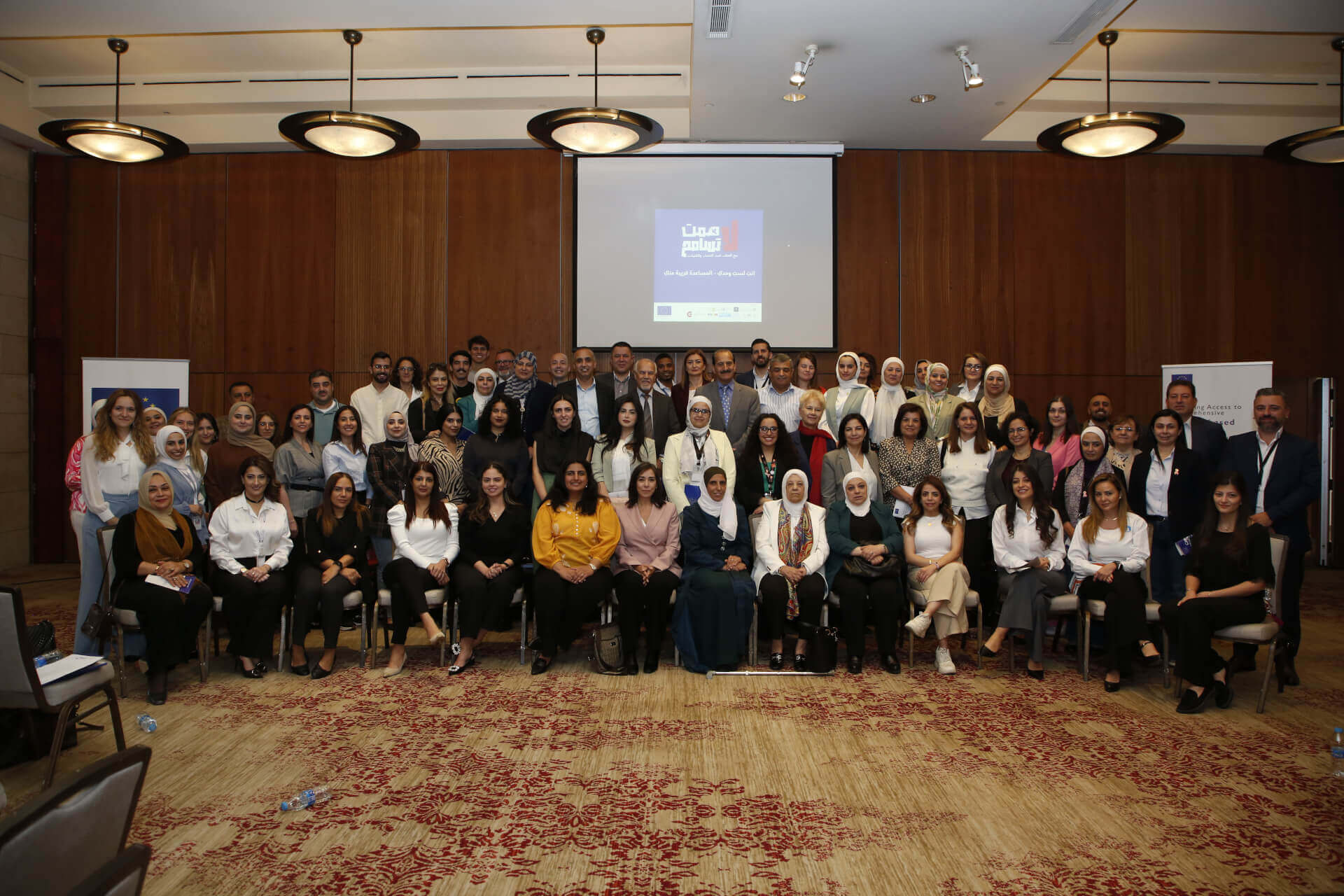
The event was attended by over 130 participants, including relevant stakeholders, representatives from ministries, MPs, embassies, civil society organizations and community based organization, local communities, media professionals,activists, legislative representatives, national institutions focusing on topics related to VAWG, first respondents (police, social workers) and academics.